
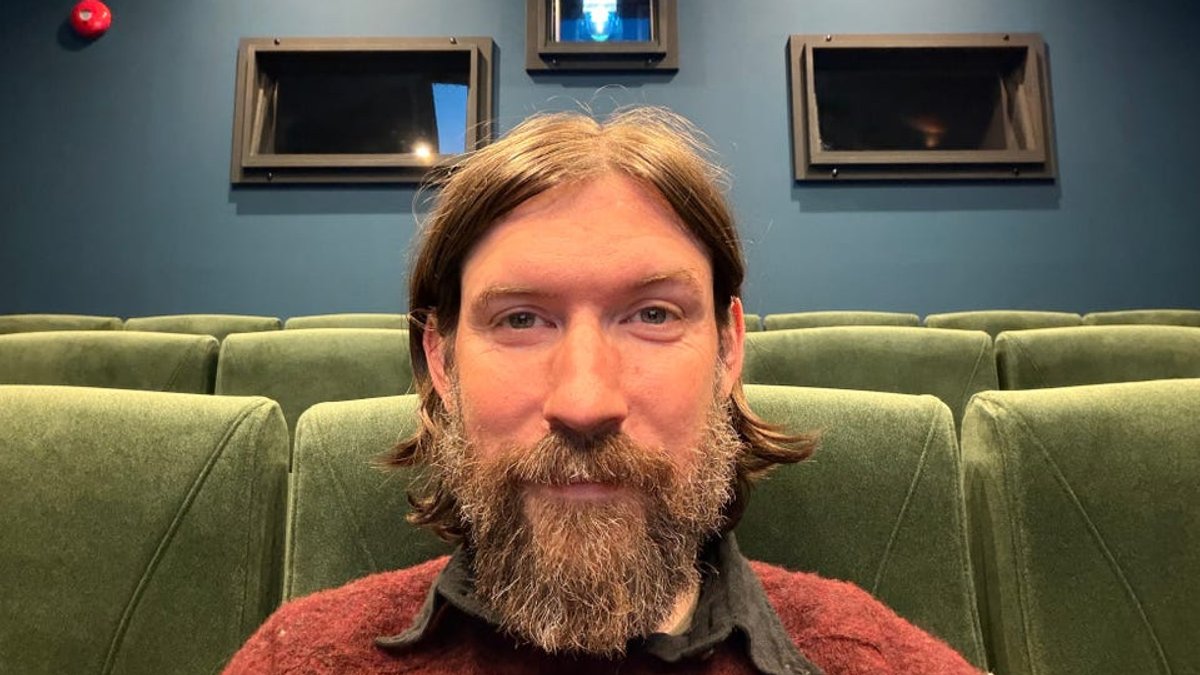
Moving from Los Angeles to Tokyo in 2020 marked the beginning of a new chapter for Matthew Kelson, who has since founded CineYama, an independent cinema in Uenohara, a small town in Yamanashi Prefecture, Japan. Kelson, 43, spent two years based in Tokyo before relocating to Uenohara, where he now runs the cinema from an abandoned kindergarten he transformed.
His journey began in Michigan, where he developed an early passion for film, working at a Detroit art theater and even renovating a school auditorium into a cinema in his twenties. After working at Netflix, he was transferred to Japan, where he stayed after leaving the company in 2024, driven by a desire to contribute to his community through his expertise in cinema.
A Vision for Community Through Cinema
The idea to convert the abandoned kindergarten emerged from Kelson’s desire to merge his professional skills with a personal commitment to his adopted country. After securing permanent residency through Japan’s highly skilled professional fast-track program, he spent a year planning the renovation of the former educational building. The project required handling complex bureaucratic procedures, including permits, fire and health regulations, and community consultations, all conducted in a language he did not speak fluently. Kelson emphasized that success in Japan required patience and trust-building rather than aggressive advocacy, a lesson that shaped his approach to the project.
Read Also: Investor claims AI fears are overblown
“I learned that pushing harder is not necessarily what gets things done in Japan,” Kelson explained. “It was about patience, building trust, and showing people that I was serious and that the project wasn’t going to disappear in six months.” Despite moments of doubt, he persevered through each milestone, from acquiring the building to opening the cinema.
Departure from Amazon and Early Career Moves
Matthew Kelson left Amazon in 2024 after a company restructuring, choosing to remain in Japan with his family. His daughter was six months old when they relocated, and his son was born three years later, which Kelson felt was ideal for their upbringing. While considering how to apply his cinema expertise, he found an abandoned kindergarten during location scouting.
At 25, Kelson renovated a Michigan school auditorium into a theater with personal savings. It operated for two years before closing due to landlord disputes. He moved to Los Angeles in 2011, eventually connecting with an independent film distributor after reaching out to industry contacts.
Read Also: Twitch stream helps job seekers handle AI reshaped market
Challenges in Renovation and Community Engagement
Initial reactions from elderly residents were cautious, but a preview screening helped shift perceptions. After experiencing the renovated space, many praised the revitalization of a neglected building and its potential to serve both families and seniors. Kelson prioritizes screenings that introduce audiences to diverse cultural perspectives, focusing on films that are difficult to find elsewhere. Ticket prices are set at 1,500 yen ($9.50), with discounts available for seniors and local residents, making the venue accessible to all.
Community Impact and Operational Structure
CineYama operates with a small, family-run team. Kelson manages day-to-day operations, while his wife assists during events. Their children occasionally stamp tickets, adding a personal touch to the cinema’s atmosphere. Kelson’s approach emphasizes inclusivity, aiming to provide entertainment that sparks conversations about different ways of life and culture.
Comparing Ventures: Detroit to Uenohara
Opening a theater in Detroit in his twenties differed significantly from establishing CineYama in Japan. Back then, Kelson operated with limited resources and little experience, relying on personal savings and trial-and-error. In contrast, his Japan cinema project benefited from 15 years of professional experience in film distribution and international screenings. The challenges in Japan were more bureaucratic and cultural, but the outcome felt more meaningful, as it combined his career expertise with a long-term commitment to his community.


