
Burberry reported a return to growth in its most recent quarter, noting that sales across all divisions rose for the first time since 2023.
Quarterly performance shows gains across product lines
Chief executive Joshua Schulman said the latest figures confirm that the company’s turnaround strategy is delivering results. Comparable sales grew 5 percent to £455 million for the 13‑week period ending 27 June. The increase was led by a 9 percent rise in China and a 12 percent boost in the Americas.
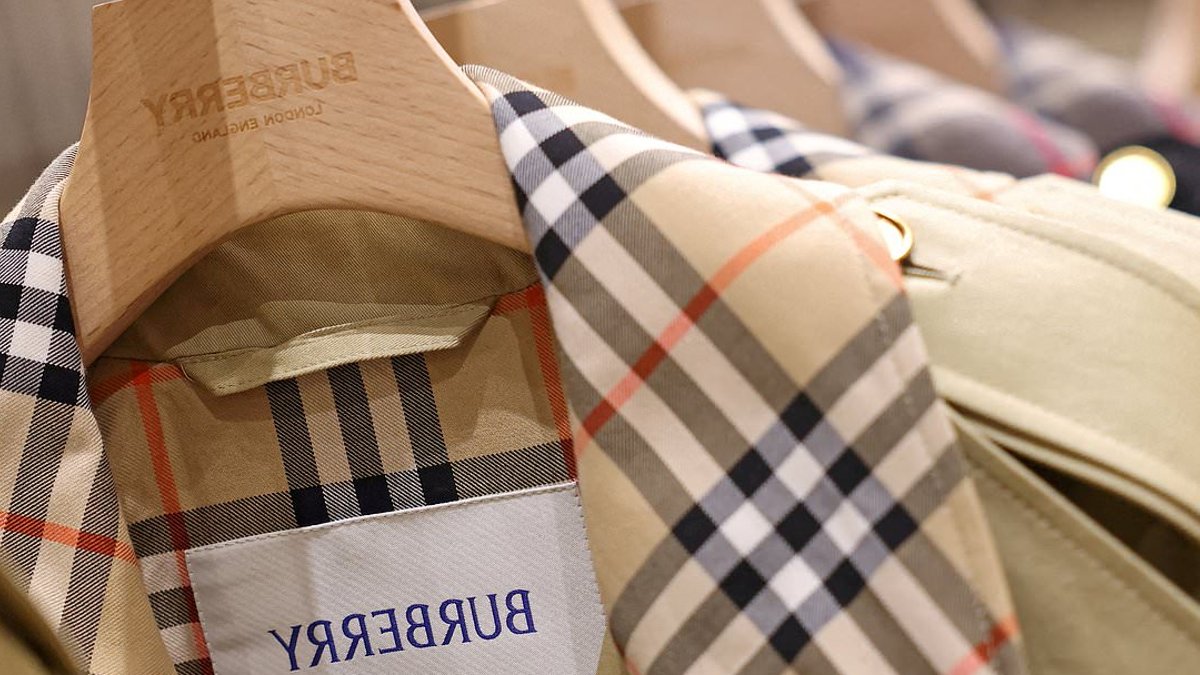
Outerwear, particularly the iconic trench coat, outperformed other categories. The brand cited a 19 percent jump in new customers for rainwear after launching a campaign celebrating its 170th anniversary. That promotion featured personalities such as footballer Eberechi Eze, actor Jonathan Bailey and model Kate Moss.
Women’s handbags also returned to growth, helping to offset a 3 percent decline in the Europe‑Middle East‑Africa segment. The dip was linked to ongoing geopolitical tension that has dampened tourist spending.
Schulman highlighted that growth materialised across Womenswear, Menswear, Accessories and Childrenswear, marking the first simultaneous upswing in these four pillars since the previous year. The company credited the “outperformance of Outerwear” as the anchor that pulled the broader portfolio upward, showing the strategic emphasis on heritage pieces that resonate with both traditional buyers and newer audiences.
In addition to rainwear, the report flagged sustained appetite for scarves and other staple outerwear items, reinforcing the brand’s reputation for classic British luxury. The surge in first‑time buyers for rainwear was attributed to the “Trench Portraits of an Icon” campaign, which leveraged the 170th‑anniversary narrative to attract a younger, Gen Z demographic eager for authentic heritage fashion.
Middle East conflict continues to weigh on European demand
The United States‑Iran confrontation has disrupted travel to traditional luxury destinations, including Paris and Dubai. Reduced foot traffic in these hubs translated into lower sales for Burberry’s regional division.
Related: Burberry rebounds as Middle East woes hit Europe
While the company remains “mindful” of the broader macro environment, it expects consumer confidence to gradually recover as the situation stabilises. The firm’s outlook for the year ahead reflects cautious optimism.
Shares opened lower, slipping 3.96 percent to 1,076 pence. Market commentary noted that some investors remain skeptical about the durability of the recovery, though recent trading updates suggest upward pressure could build if momentum persists.
At the recent annual general meeting, shareholders expressed concern over executive compensation, with 35 percent voting against a £12.2 million bonus for Schulman.
Looking ahead, the brand’s ability to sustain growth may hinge on how quickly tourism rebounds and whether the conflict’s ripple effects subside. If travel resumes, the luxury sector could see a modest lift in sales, but lingering uncertainty may keep the recovery uneven.
Burberry’s continued focus on its heritage pieces, combined with targeted marketing to younger consumers, aims to reinforce its position in the competitive luxury market.
For more background on the company’s history, see the Burberry Wikipedia entry.


