
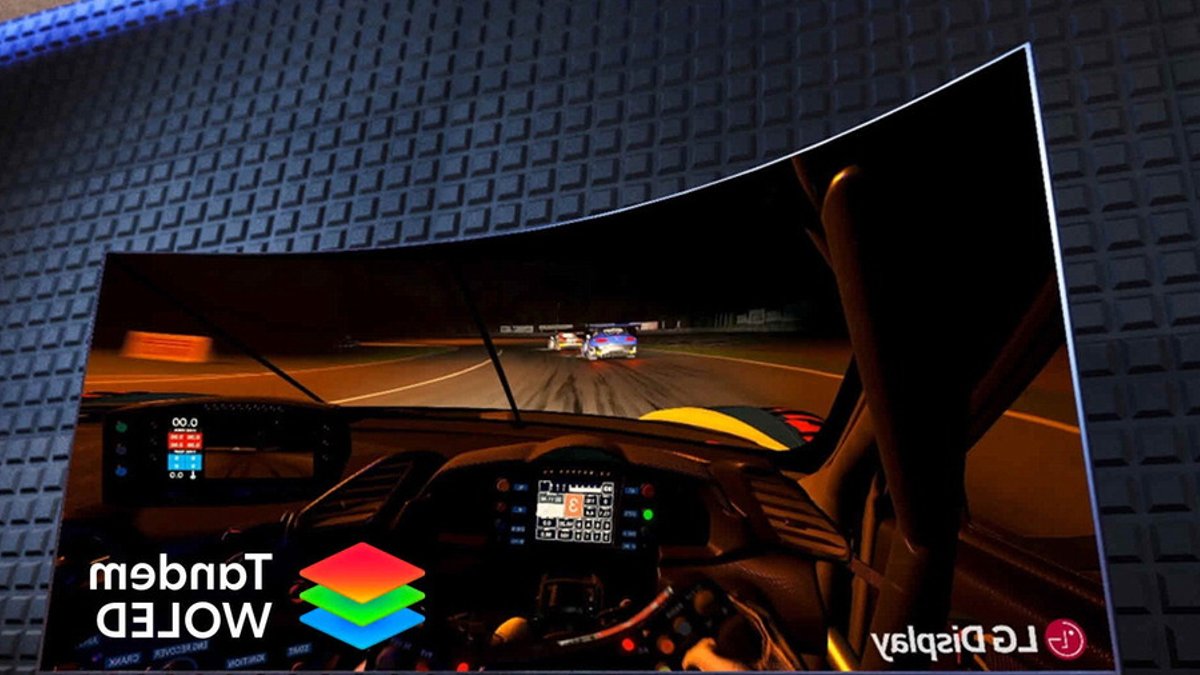
LG Display will invest 3 trillion won ($2.03 billion) to advance its small- and medium-sized OLED technologies, supported by a low-interest loan from South Korea’s National Growth Fund. The decision responds to growing competition from Chinese manufacturers, which have closed much of the technology gap in recent years.
Government-backed loan fuels $2 billion push
The investment consists of three parts: 1.3 trillion won from the National Growth Fund, 1.5 trillion won from LG Display’s own funds, and 200 billion won through a private syndicated loan. Sources indicate the money will focus on improving technology rather than increasing production capacity.
LG Display was chosen as one of the first recipients of the government’s support program. The selection reflects a national effort to protect critical advanced industries. Internally, the company has decided to prioritize innovation over expanding output.
Related: Hyundai posts record Q2 revenue but profit plunges over 20%
Focus on next-generation OLED technologies
The funding will support several key areas. Low-temperature polycrystalline oxide processes for smartphones top the list, as demand rises for energy-efficient backplanes. Tandem OLED technology, which layers multiple emissive films to boost brightness and durability, will also receive funding.
Hybrid OLED panels for laptops and tablets are another priority, along with new module manufacturing methods. These improvements matter in the IT display sector, where users now expect better performance and efficiency.
South Korea still leads the global OLED market, though China has gained ground. Last year, Korean firms held 68.7% of the market, while Chinese companies captured 31.2%. Since entering the OLED market in 2015, Chinese manufacturers have expanded steadily.
LG Display must do more than keep pace. Its success will depend on how quickly it can shorten development cycles—from initial qualification to reliable mass production. Chinese competitors are already introducing products with similar features, raising pressure on Korea’s display industry.
Related: A Relaxing Retreat at Long Beach Resort Hurghada
The stakes extend beyond market share. As devices adopt foldable screens and high-refresh-rate displays, consumer expectations are changing. A successful rollout could establish new benchmarks for the industry.
An industry official said the real test lies in how fast LG Display can move from development to mass production. “The timeline reduction will determine the outcome,” the official explained. “Customer approval and stable yields will decide the race.”
For now, the investment reflects a commitment to innovation rather than volume. The outcome may hinge on whether LG Display can turn these technologies into products that surpass existing options.


