
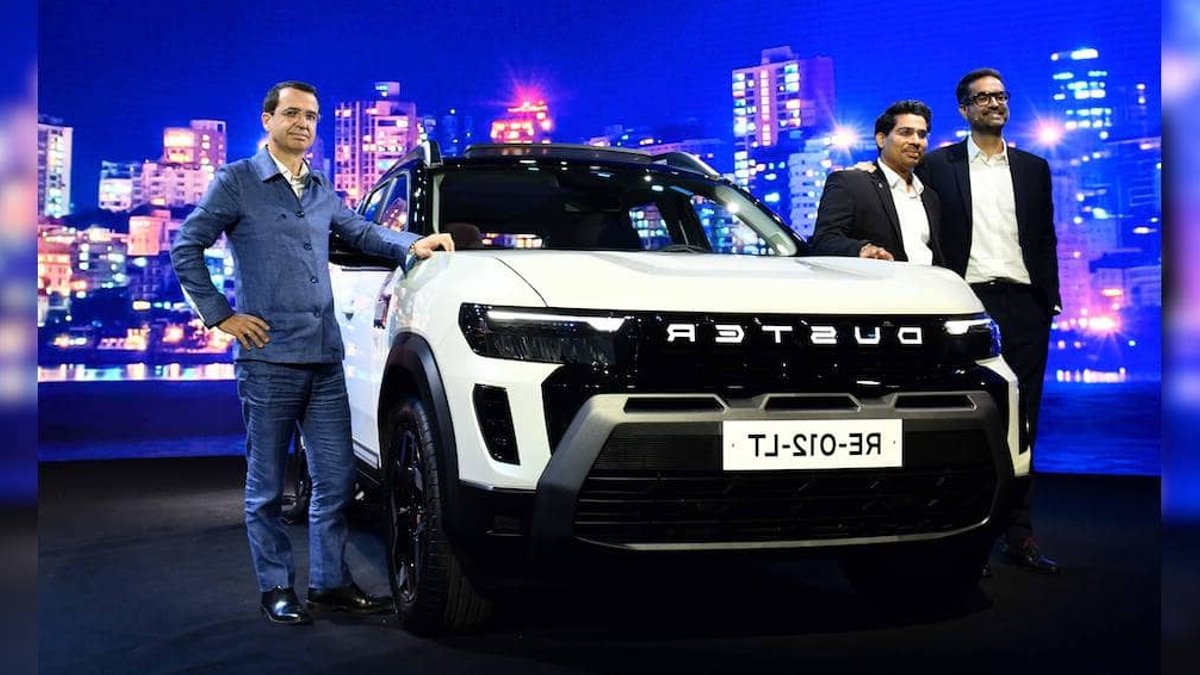
Renault India projects that hybrid and compressed natural gas (CNG) vehicles could account for nearly half of its powertrain lineup within two to three years, Stéphane Deblaise, the company’s CEO, stated. This shift aligns with changes in India’s automotive market, where multiple powertrain options, including hybrids, CNG, and electric vehicles, are expanding simultaneously rather than displacing one another in the short term.
The automaker has already introduced its first strong hybrid version of the Duster SUV and intends to roll out factory-fitted CNG models in the future. Deblaise described the transition as a major commitment. “We are promoting it under the slogan Forget diesel, Go Hybrid,” he explained.
Deblaise acknowledged that hybrid adoption currently faces hurdles, including limited model availability and performance doubts. He expects demand to grow as more hybrid options enter the market, particularly in vehicles exceeding four meters in length. CNG, by contrast, holds stronger potential in smaller segments, with plans to launch a CNG variant of the Triber compact MPV. The hybrid Duster, powered by a 1.8-liter petrol engine, two electric motors, and a 1.4 kWh battery, achieves an ARAI-certified efficiency of 29 kilometers per liter.
Renault’s approach mirrors industry trends, where hybrids serve as a bridge technology while electric vehicles mature. Deblaise said: "We should be between 3-5 per cent in 2030. But we always say that it is not a target; it is a consequence of our job. We are not running after volumes. We are running after doing our job properly, delivering cars to customers, make them happy so that they come back to buy a new car." Under its futuREady initiative, Renault Group will launch seven new models by decade’s end, including hybrids and fully electric vehicles, while aiming for €2 billion in annual exports from India by 2030.
The automaker’s emphasis on hybrids and CNG reflects a strategic balance between cost, efficiency, and consumer demand. This diversification highlights how India’s automotive sector is adapting, not through a single dominant technology, but through a range of solutions addressing different market segments.


