
Nigeria’s higher education system has achieved a milestone in global recognition, with 29 universities now featured in the 2027 Times Higher Education (THE) World University Rankings—the highest count among Sub-Saharan African nations. This represents an increase from 24 institutions in 2026, as five new entries joined the list. Beyond the ranked universities, an additional 32 Nigerian institutions appear in the THE Reporter category, raising the total number of participating schools to 61.
The Federal Ministry of Education attributed this advancement to ongoing reforms aimed at improving research excellence, institutional performance, innovation, and the international competitiveness of Nigeria’s tertiary institutions. In a statement signed by Boriowo Folasade, Director of Press and Public Relations, the ministry highlighted progress under the President Bola Ahmed Tinubu administration’s education reform agenda and the Nigerian Education Sector Renewal Initiative (NESRI).
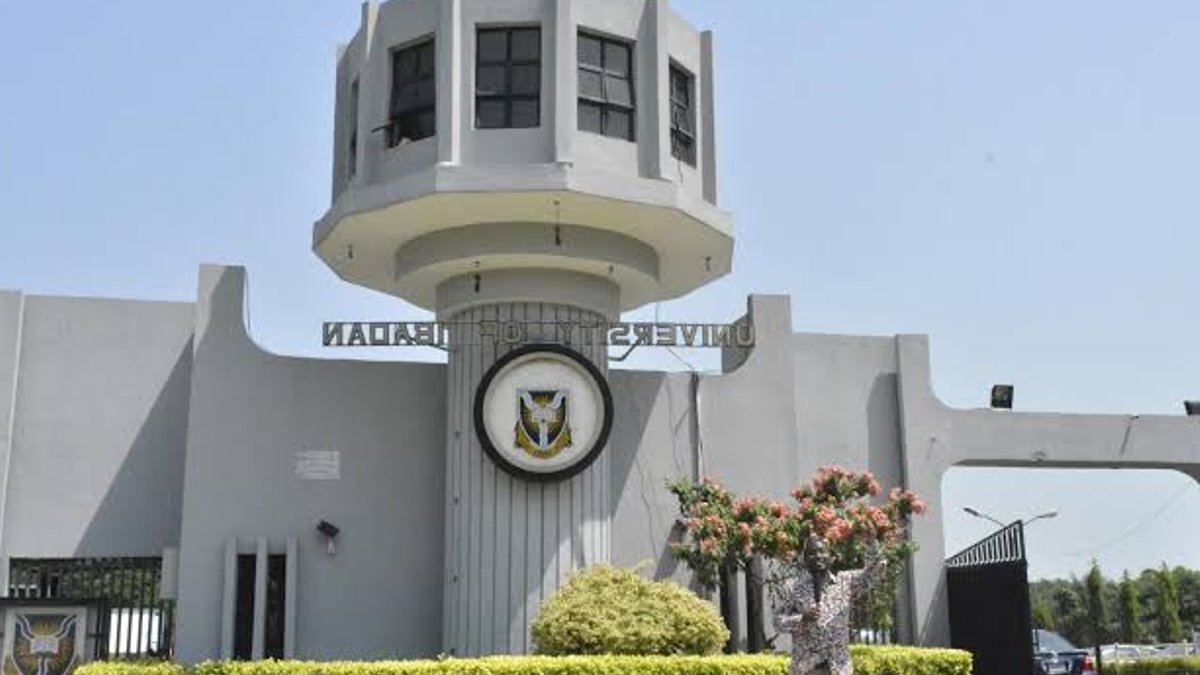
Among the top-performing institutions, five of Nigeria’s seven universities in the top 1,200 globally are federal universities, accounting for 71.4% of its representation in that ranking tier. The University of Ibadan and University of Lagos retained their positions in the 801–1000 band, while Ahmadu Bello University and University of Ilorin moved from the 1201–1500 band into the 1001–1200 band. Bayero University also retained its 1001–1200 position, while Covenant University advanced from 1001–1200 to 801–1000.
Read Also: Kogi seeks Kuwaiti investment in key sectors
Other institutions either advanced or entered the rankings for the first time. Babcock University moved from 1501+ to 1201–1400, while Nnamdi Azikiwe University, Obafemi Awolowo University, and University of Benin moved from 1501+ to 1401–1600. Two universities, Osun State University and University of Maiduguri, entered the rankings for the first time, placing in 1201–1400 and 1401–1600, respectively. Olabisi Onabanjo University, Kwara State University, and Michael Okpara University of Agriculture, Umudike also entered the rankings for the first time.
Federal universities occupied all six Nigerian positions in the 1401–1600 band. The ministry identified Research Quality as the strongest performance pillar for Nigerian universities, while Research Environment and Teaching remained areas requiring further attention. Progress in academic reputation, research output and productivity, doctoral output, international collaboration, and institutional data reporting was cited as essential for maintaining this upward trend.
The ministry’s achievements align with its efforts to create a national ranking framework for Nigerian tertiary institutions. Minister Maruf Tunji Alausa directed the Nigeria Tertiary Education Ranking Advisory Committee (NITERAC), led by Peter Okebukola, to commence the 2026 national ranking of universities, polytechnics, and colleges of education. The national ranking framework is being developed in consultation with stakeholders and will assess universities using 22 indicators. The framework is intended to enhance institutional accountability, stimulate competition, and improve global visibility.


