
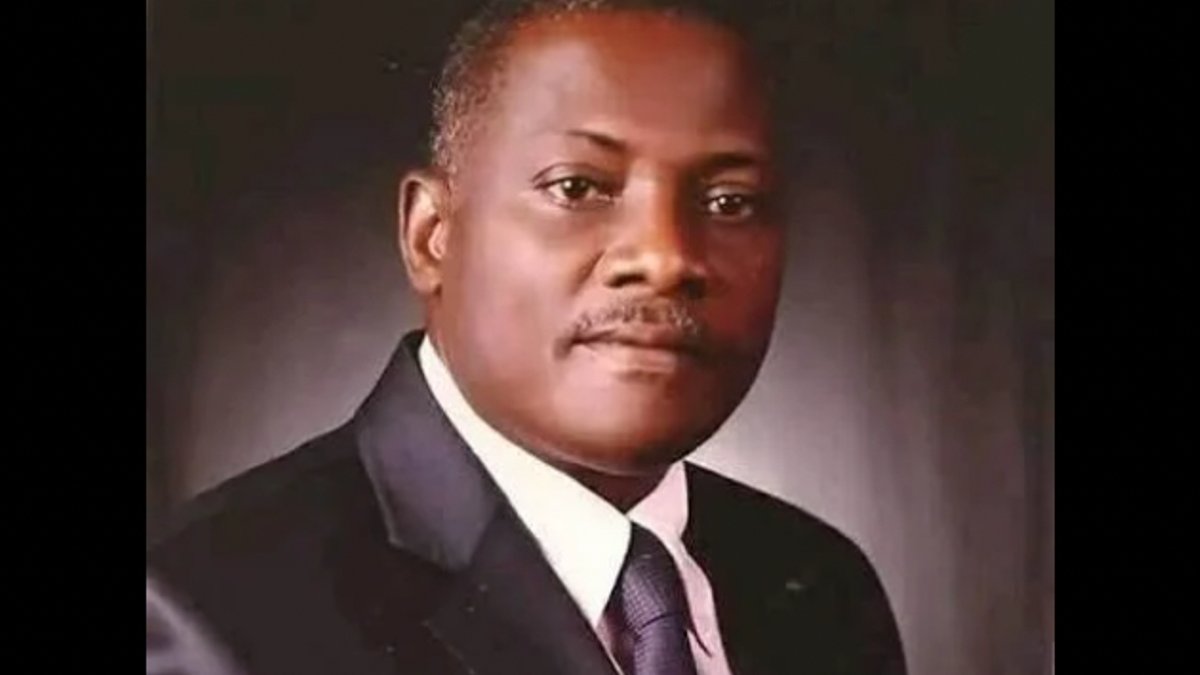
Innocent Chukwuma, the chief executive of Innoson Vehicle Manufacturing Plc (IVM), said he is confident that Nigeria will thrive again now that democratic rule has been restored. Noting that his birthday falls on the nation’s Independence Day, Chukwuma called the return to democracy a fitting reason to mark the country’s 66th anniversary of independence.
A Journey from Nnewi to Industry
Speaking on Thursday from his rural residence in Nnewi, Anambra State, Chukwuma argued that domestic producers are capable of delivering high-quality goods but require government backing to flourish. Recounting his own path, he explained that in the late 1970s a teenage Innocent Chukwuma entered a pharmacy in Nnewi with aspirations of studying engineering. After his examination scores fell short of the required threshold, he opted to assist his older brother in selling medicines.
While handling tablets and ointment containers, he realized he possessed a talent for numbers, stock control, and dealing with people. Rather than returning to school, he turned toward the trade that intrigued him most. He completed a short apprenticeship with a leading motorcycle parts merchant at the busy Nkwo Nnewi market. Armed with a modest 3,000-naira loan from his brother for their joint venture, Gabros International, Innocent began working. By 1981 he had launched his own enterprise, Innoson.
Disrupting the Motorcycle Market
He said the turning point arrived in the 1980s and 1990s when motorcycles served as the primary mode of urban transport in Nigeria, yet brand-new Japanese models such as Honda and Suzuki were prohibitively pricey, forcing most riders to rely on used imports. “I traveled to Asia to investigate why foreign-used motorcycles were still so costly and realized that overseas suppliers shipped assembled bikes in massive shipping crates—a single 40-foot container could fit only about 36 complete motorcycles. That was when my engineering mindset kicked in,” he explained.
By importing completely knocked-down (CKD) units and assembling them in Nnewi, he managed to fit nearly 200 disassembled bikes into the same container, dramatically lowering freight expenses. Those savings were passed straight to Nigerian consumers, slashing the price of a new motorcycle from roughly ₦150,000 to about ₦60,000 almost overnight. This strategy effectively eliminated the market for second-hand “tokunbo” motorcycles, replacing them with affordable, brand-new machines for millions of riders.
Read Also: Kogi seeks Kuwaiti investment in key sectors
Building a Local Industrial Base
During the assembly process, Chukwuma observed that many ancillary parts, such as mudguards, light housings and side mirrors, were fabricated from plastic. Rather than importing heavy plastic components, he decided to produce them domestically, establishing Innoson Technical & Industrial Limited in Enugu. The plant has since expanded into one of West Africa’s largest plastic-manufacturing facilities.
By the mid-2000s, critics told him he had hit a ceiling. “You can build plastics and put together motorcycles,” they said, “but you cannot build cars in Africa. The infrastructure isn’t there.” Undeterred, Chukwuma pressed on. In 2007 he officially founded Innoson Vehicle Manufacturing (IVM) in Nnewi, and by 2009 the factory began churning out the first fully indigenous, Made-in-Nigeria automobiles, ranging from rugged pickups and city buses to upscale sedans.
When doubts surfaced about whether African-built cars could endure local conditions, IVM’s models were tested on Nigeria’s toughest roads, police patrol routes and military operations, emerging successfully. As fuel prices rose, IVM also became one of the early manufacturers to launch large-scale Compressed Natural Gas (CNG) buses.
Challenges and Policy Calls
According to Chukwuma, the chief obstacle for Nigerian producers stems from erratic economic policies and programmes. He criticized the Federal Government waiver on the importation of CNG Cars and electric vehicles, saying it was not in the interest of local industries as it would discourage many Nigerians from venturing into the local manufacturing of such vehicles. The industrialist also urged authorities to improve workers’ welfare, noting that the current minimum wage could no longer meet the economic realities on ground.
Leadership and Legacy
Chukwuma appealed to citizens to exercise patience with President Bola Tinubu’s administration, emphasizing that many of the government’s initiatives will eventually address the nation’s many challenges. While encouraging support for the current leadership, he also praised Anambra State Governor Chukwuma Soludo for the infrastructural progress, particularly road improvements, achieved in the state.


