
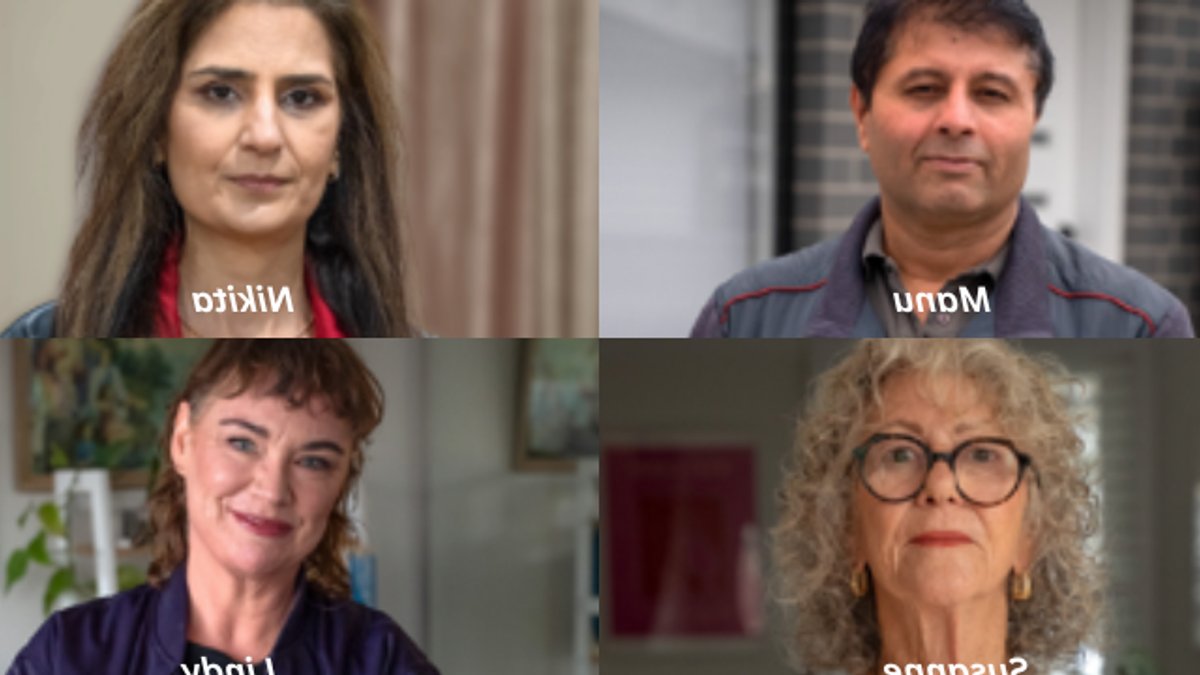
A fake PayPal alert, a builder’s invoice, even a plea from a family member—all can appear genuine. Four Australians described how they lost money to scams during Scams Awareness Week, part of a campaign highlighting personal stories under the theme “No one’s just a number.”
The National Anti-Scam Centre’s annual initiative ran from August 24 to 28. In the first half of this year, Australians reported 91,767 scams to Scamwatch, with losses reaching $156.6 million. Including reports made through the law enforcement portal ReportCyber, losses climbed to $554.1 million across 122,550 cases.
These figures don’t capture every incident. Many victims never come forward, or their cases are recorded through other channels. Catriona Lowe, deputy chair of the Australian Competition and Consumer Commission, said each loss affects real people—some left in financial trouble, others deceived by someone they trusted.
“Being scammed isn’t about intelligence or poor judgment,” Lowe said. “It’s about how convincing these criminals have become.”
Related: 10 Indian Actresses Who Chose Adoption
The stories behind the losses
Lindy received a text claiming she’d purchased a laptop through PayPal. The message included a contact number. When she called, the person offered to cancel the transaction—if she provided a verification code. Pressured, she shared it. The code gave the scammer access to her account. By the time she realized, the damage was done. “My heart sank,” she said.
Mannu was expecting an invoice from his builder while constructing a granny flat. A $20,000 payment request arrived, appearing legitimate. It wasn’t. The link came from a scammer. “To save that much takes years,” he said. “It’s devastating when your money disappears.”
Nikita believed she was talking to a British pilot online. After weeks of messaging, he claimed his son had been in an accident and he couldn’t access his funds. She sent $5,000 to help. The next day, he vanished. “I never thought I’d be fooled,” she said. “But anyone can be.”
Susanne got urgent messages from someone posing as her daughter. The sender said her phone was broken and her bank account frozen. Before Susanne could confirm the story, she’d transferred $26,000. “Unless you’re certain, don’t respond,” she warned.
Such cases are common. Scammers use urgency, familiarity, and emotion to bypass caution. A fake invoice, a distressed relative, or a professional email can all seem real. Lowe noted that tactics now include AI-generated voices and cloned websites, making fraud harder to detect.
How to avoid becoming the next victim
The National Anti-Scam Centre’s guidance is straightforward: When asked for money or personal details, pause—especially if the message feels urgent. Verify the sender through a trusted channel, such as a known phone number or official website. If something seems wrong, act quickly: contact your bank, report the incident, and alert others.
Reporting scams, even unsuccessful ones, helps authorities track patterns and issue warnings. Lowe said sharing experiences makes it harder for scammers to operate. “If you’ve been affected, help is available. You’re not alone.”
The campaign highlights that scams don’t just take money. They damage trust, disrupt lives, and leave victims feeling exposed. The people behind these stories—Lindy, Mannu, Nikita, and Susanne—weren’t reckless. They were targeted by an industry that exploits human instincts. The only way to resist is to pause, question, and refuse to be rushed.
Support for victims exists, but prevention starts with awareness. Simple steps, like verifying requests, can stop scammers before they strike. For more on how performative support falls short, resources are available to help communities stay informed.


