
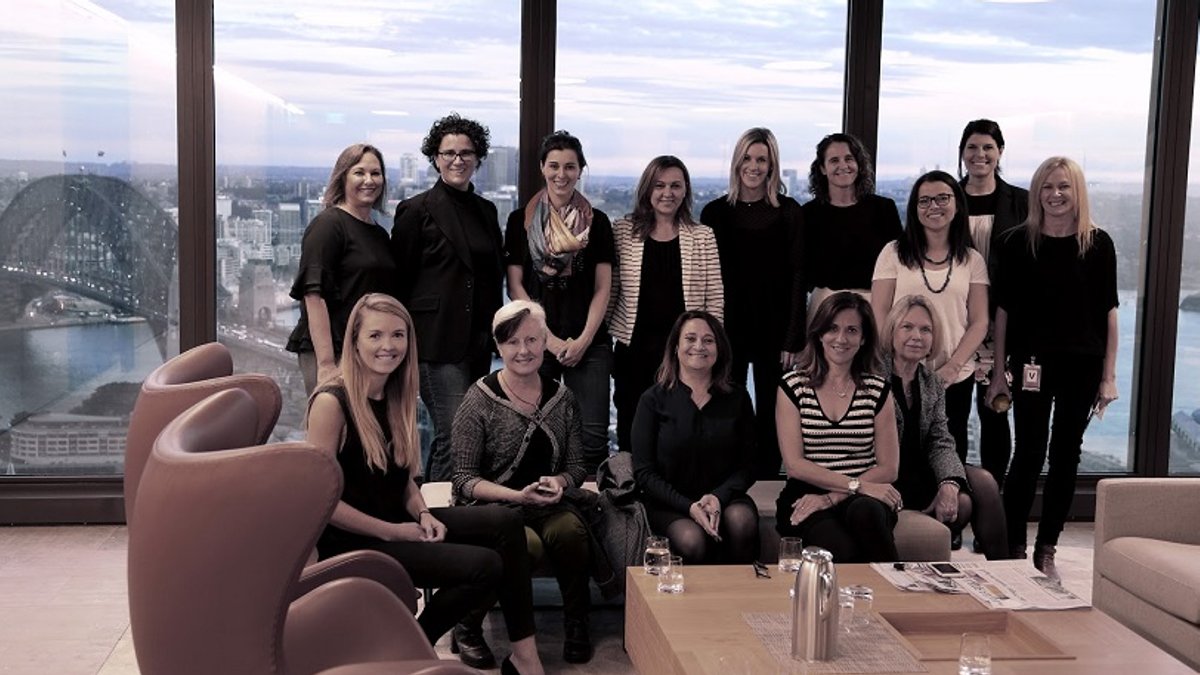
Female founders washing is becoming a growing concern in the Australian business setting, as Catherine Slogrove, the founder of Amelia Bio, warns. She describes this phenomenon as the celebration of female entrepreneurs through visibility and marketing, which often fails to provide the necessary funding or commercial backing. While the language surrounding these initiatives is warm and the photography polished, the underlying reality for many female founders remains bleak, especially those operating without significant financial resources.
Something predictable has been happening across the country’s business environment for some time now. Corporations host panels, brands run empowerment campaigns, and organizations publicly align themselves with female founders through their communications. Slogrove, who founded Amelia Bio in late 2023, says she has been repeatedly invited to speak at events as a “female founder voice.” She warns that this dynamic is sometimes referred to as “female founder washing,” where the appearance of support masks a lack of tangible backing.
Related: One Year On Economic Roundtable Results Assessed
The disconnect is evident in the numbers. According to Cut Through Venture’s 2025 Australian Startup Funding report, venture capital funding to female-only founding teams has halved to just two per cent. Only 24 per cent of deals included even one female founder, and at the Series B and beyond stages, the figure for female-led teams is effectively zero. This funding gap highlights a discrepancy between the volume of corporate programming celebrating female founders and the actual resources available to them.
For small-business owners and sole operators, this disconnect hits particularly hard. With limited budgets and lean teams, the cost of performative support falls entirely on the founder. I do not believe the organisations behind these initiatives are always acting in bad faith. Many genuinely believe visibility is a form of support and that amplifying female founder stories is a meaningful contribution to the ecosystem. Visibility does matter, but it is not sufficient. In some cases, it actively obscures the absence of real backing. I have watched an investor strategically place the Amelia Bio name next to theirs despite investing zero dollars, because it helped gloss over the female founder-shaped hole in their portfolio. I have also seen a government employee publicly celebrate our business on LinkedIn while their organisation quietly rejected our grant application. This discrepancy between public praise and private rejection illustrates that being seen does not guarantee being helped.
What genuine support looks like is not complicated. It means making introductions and following through on them. It means paying female founders fairly for their time, funding them, stocking their products, hiring them, mentoring them and buying from them consistently, not just when it is visible or convenient. For small businesses and sole operators, a single genuine referral, procurement decision or commercial introduction can be worth more than a hundred panel appearances. If Australia is serious about productivity, innovation and backing small business, then it cannot afford to keep confusing publicity with progress. Celebrate female founders publicly, by all means. But also support them privately, commercially and consistently, because anything less is branding.
Related: SBI Funds listing falls short of Street expectations
While the focus often falls on the lack of capital, a deeper issue is the absence of meaningful connections. Many female founders struggle to find mentors who understand their specific challenges, leading to a cycle of isolation that traditional networking events often fail to address. Without access to a robust network of peers and advisors, these entrepreneurs may miss critical opportunities for growth. The gap is not just financial but structural, requiring a fundamental shift in how business leaders approach mentorship and partnership.
The economic implications of ignoring this gap are significant. When a substantial portion of the population is excluded from the benefits of entrepreneurship, the economy loses out on potential innovation and growth. Women bring unique perspectives and solutions to market problems, yet systemic barriers prevent many from scaling their ventures. Addressing this requires more than just surface-level gestures; it demands a commitment to equity and inclusion at every level of the business ecosystem.


